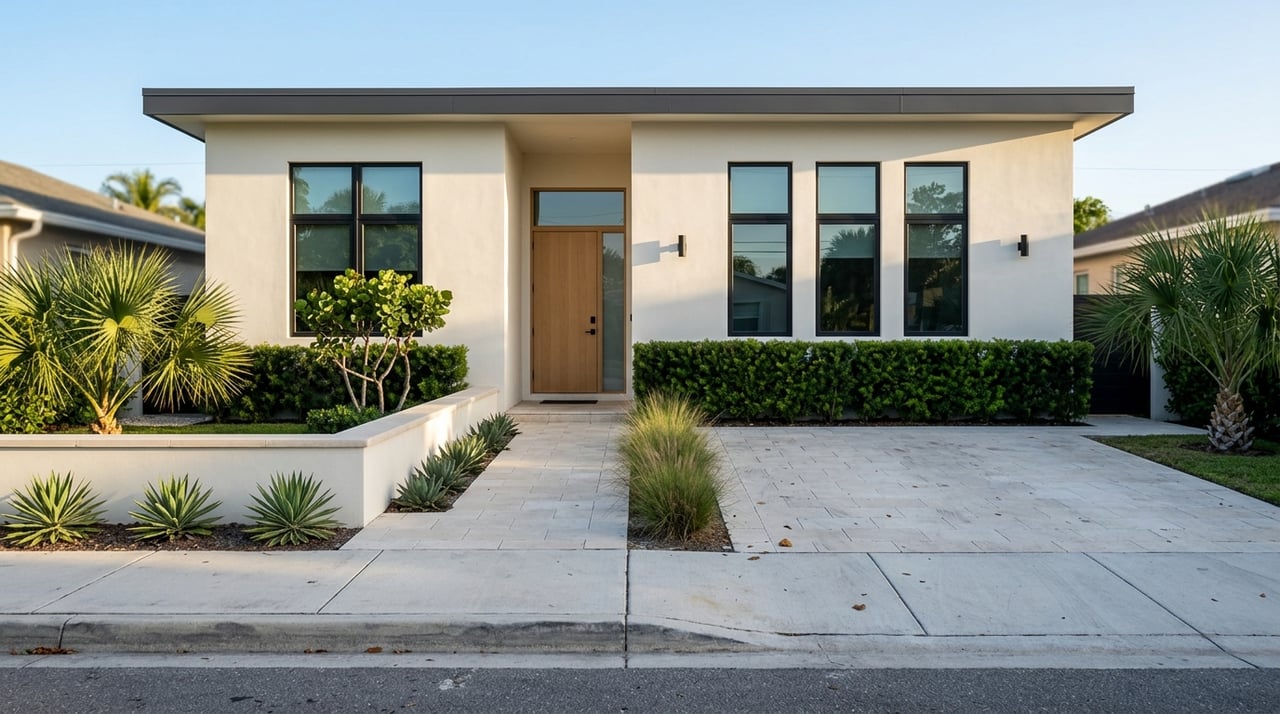
Thinking about moving to St. Augustine? It is easy to fall for the history, the coastline, and the laid-back Florida lifestyle, but buying here takes more than picking a pretty street near the water. If you are relocating, you need to understand how the city, the beach areas, and the wider county all function differently so you can make a smart move with fewer surprises. This guide walks you through what to compare, what to verify before you make an offer, and how to narrow down the right fit for your day-to-day life. Let’s dive in.
Understand the St. Augustine map
One of the biggest relocation mistakes is assuming “St. Augustine” means one single market. In reality, you are looking at a compact city within a much larger county, and that distinction can shape everything from your commute to your flood-zone review.
According to the St. Johns County profile, St. Johns County had 273,425 residents in the 2020 Census, with a 2025 projection of 348,336. By comparison, St. Augustine city is much smaller, with 15,351 residents across 9.5 square miles. That means many buyers who say they want St. Augustine are really choosing between the historic city, coastal communities, and unincorporated county neighborhoods nearby.
St. Augustine city
St. Augustine city offers a more compact feel, with a mix of detached homes and a stronger multifamily presence than the county overall. If you want easier access to the historic core, restaurants, and a more urban layout, the city may be where you begin your search.
Commute times can also feel different here. Census Reporter data shows the mean commute time in St. Augustine city is 20.1 minutes, compared with 26.9 minutes countywide.
St. Augustine Beach
St. Augustine Beach gives you a more coastal lifestyle lens, with easy beach access and housing that often appeals to buyers looking for condo living or a lower-maintenance setup near the ocean. If your priority is living close to the sand, this area often enters the conversation early.
It is also helpful to know that the county’s coastal management plan breaks the shoreline into segments such as Vilano Beach, St. Augustine Beach, Butler Beach, Crescent Beach, Fort Matanzas, and Summer Haven. For you as a buyer, that matters because access, parking, and flood-related realities can vary from one coastal area to the next.
Unincorporated St. Johns County
Many of the communities buyers compare are actually outside the city limits. The county includes unincorporated areas such as Ponte Vedra, Fruit Cove, Nocatee, Hastings, Crescent Beach, Summer Haven, and Vilano Beach, as outlined on the county’s local government overview.
This is where relocation decisions can get more nuanced. Your address, jurisdiction, school assignment, flood zone, and commute pattern can all shift quickly depending on where you land.
Compare lifestyle by area
The best place for you depends less on a zip code and more on how you want to live every day. In this market, most relocation buyers narrow their search by home type, maintenance level, access to the coast, and how much space they want.
Condo-style coastal living
If you want a lock-and-leave lifestyle, a condo or coastal attached-home setup may be the right fit. St. Augustine city has more multifamily housing than the county overall, while beach-oriented locations often appeal to buyers who value lower exterior maintenance and proximity to waterfront activities.
This route can make sense if you are downsizing, buying a second home, or simply want less yard upkeep. It can also be a practical option if your focus is beach access over square footage.
Single-family suburban living
If you want more space, a yard, or a neighborhood setting outside the compact urban core, county submarkets may offer more of what you need. Housing across St. Johns County is still dominated by detached homes, with Point2 market data showing 72.2% single-family detached housing countywide.
Many buyers compare St. Augustine with nearby county areas such as Nocatee, Silverleaf, and World Golf Village. These locations are not all inside St. Augustine city, but they are often part of the same relocation decision because they offer different tradeoffs around housing style, commute, and community layout.
Mixed urban-core options
If you want a blend of walkability, older homes, city conveniences, and some condo choices, the city core may feel more aligned. This option can be especially appealing if you want a home base with character and a shorter everyday drive.
That said, inventory style can vary a lot from block to block. In a compact market like this, street-level differences matter.
Plan for work, school, and daily routes
A home can look perfect online and still miss the mark if your daily logistics do not work. Before you commit to any area, think through how you will actually move through your week.
Commute patterns vary widely
One reason relocation buyers cast a wide net here is that local employers are spread across the region. The county identifies major employers including the St. Johns County School District, UF Health St. Johns, St. Johns County government, Northrop Grumman, the PGA TOUR, and Florida National Guard Headquarters in its county profile.
That employment mix helps explain why buyers often weigh commute access, home type, and nearby amenities right alongside beach access. If you work remotely, your search may open up even more. An Associated Press report notes that the share of St. Johns County workers working from home rose from 8.6% in 2018 to nearly 24% in 2023, based on Census Bureau data.
Public transit is limited
If you are moving from a larger metro area, this is important to know up front. Sunshine Bus service operates within the St. Augustine urbanized area and also offers reservation-based demand-response service for eligible riders, but for most households, a car is still part of daily life.
That does not make transit irrelevant. It just means you should evaluate your likely driving routes carefully before you buy.
School checks are address-specific
If school access is part of your move, do not rely on assumptions. The St. Johns County School District zoning resources provide an attendance-zone locator, maps, controlled open enrollment details, and transportation tools.
Even if two homes are close together, they may not share the same assignment. It is smart to verify the exact address before making an offer.
Check flood and evacuation details early
In coastal Florida, flood and storm planning is not a last-minute task. It should be part of your early due diligence, especially if you are comparing beach areas, low-lying locations, or homes near water.
Why these checks matter
St. Johns County states that hurricane season runs from June 1 through November 30, and residents in coastal, low-lying, flood-prone areas, or manufactured homes may be asked to evacuate during storm events, according to the county’s hurricane preparedness page.
The county also explains that local flooding can result from heavy rainfall, seasonal high tides, and tidal surges from coastal storms, tropical storms, and hurricanes. In other words, this is not only about direct oceanfront property.
Tools buyers should use
The county offers practical research tools on its flood facts page, including a Flood Zone Viewer and iMap layers for evacuation routes, storm surge zones, the Coastal Construction Control Line, and wind-borne debris areas.
That same page notes St. Johns County is a CRS Class 5 community and says eligible NFIP flood insurance policies in force on or after April 1, 2023, receive a 25% discount on full-risk premiums. This is useful context when you begin requesting insurance quotes.
Your due-diligence checklist
Before you make an offer, confirm these items in order:
- Exact property address
- School zone
- Flood zone
- Evacuation zone
- HOA or condo rules
- Insurance quote
- Homestead eligibility
For permanent residents, the county property appraiser offers online filing for homestead-related exemptions, and the homestead exemption can reduce taxable value by at least $50,000 for eligible owners, as referenced in the research provided.
Know what can be done remotely
If you are relocating from out of market, the good news is that much of the buying process can be handled from a distance. The key is knowing where virtual convenience works well and where in-person time still adds real value.
What can usually be handled virtually
Many early-stage steps are ideal for a remote buyer experience, including:
- Initial area education
- Video tours and shortlist reviews
- Offer preparation and negotiations
- Document signing
- Property research by address
- Coordination with lender, title, and inspectors
If you are time-poor or moving from another state, this kind of support can save you multiple trips while still keeping you informed.
Where an in-person visit still matters
Even with strong virtual guidance, some things are best experienced in person. A street can feel different at 2 p.m. than it does during school pickup or commuter hours, and beach-area traffic can shift during busy seasons.
A smart visit plan is one daytime tour and one drive during commute hours, followed by trial runs for the routes that will shape your life most: home to work, home to school, home to errands, and home to the beach. That advice is especially relevant in coastal areas where beach shuttle service and access patterns can affect traffic and parking at busy times.
Make your relocation decision with clarity
Relocating to St. Augustine is not just about finding a home you love. It is about choosing the version of Northeast Florida living that fits your routine, your priorities, and your comfort level with coastal considerations.
If you want a polished, high-touch buying experience with local guidance that helps you compare neighborhoods, lifestyle tradeoffs, and property details with confidence, connect with Holly Reaves. Her white-glove, relationship-driven approach is designed to help you relocate with clarity and less stress.
FAQs
What is the difference between St. Augustine city and St. Augustine Beach?
- St. Augustine city is a compact municipality with a mix of detached and multifamily housing, while St. Augustine Beach is a separate coastal area that often appeals to buyers focused on beach access and lower-maintenance coastal living.
What does unincorporated St. Johns County mean for St. Augustine buyers?
- Unincorporated St. Johns County includes many nearby communities outside city limits, and that can affect your jurisdiction, commute, school assignment, flood-zone review, and overall lifestyle.
What type of St. Augustine-area home fits a condo-style coastal lifestyle?
- Buyers looking for a condo-style coastal lifestyle often focus on beach-oriented areas or city locations with more multifamily options and easier access to the coast.
Why do flood-zone and evacuation-zone checks matter before making an offer in St. Augustine?
- These checks matter because flooding and storm planning can affect insurance, evacuation requirements, and your long-term comfort with a property, especially in coastal or low-lying areas.
Can you relocate to St. Augustine and buy a home mostly virtually?
- Yes, many parts of the process can be handled remotely, but an in-person visit is still valuable for testing commute routes, traffic patterns, neighborhood feel, and beach access realities.
