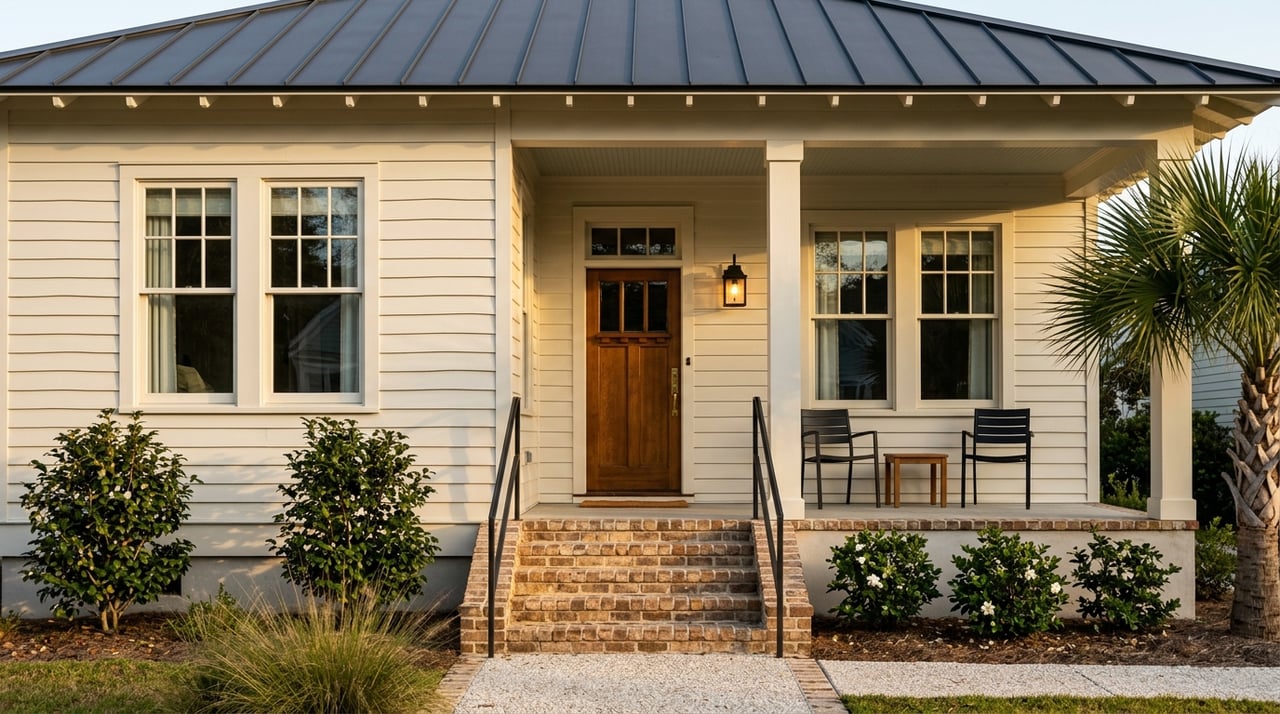
Selling a historic home in St. Augustine is not the same as selling a newer property. You are balancing buyer appeal, city review rules, and the details that give an older home its character. If you are getting ready to list, the goal is not to strip away history. It is to present that history clearly, fix what matters most, and avoid pre-listing choices that could create delays. Let’s dive in.
Start With Historic Status
Before you paint, replace windows, update a porch, or change landscaping, confirm exactly how your property is classified. In St. Augustine, historic preservation is part of the city’s formal planning process, with oversight through local ordinances, zoning districts, demolition review, signage standards, and the Historic Architectural Review Board, also known as HARB.
The City of St. Augustine has five Historic Preservation zoning districts. Within those districts, alterations and demolition require HARB approval, and a Certificate of Appropriateness, or COA, is required for most work. The COA must be in place before a building permit can be issued.
That matters for sellers because even a “quick refresh” may not be as simple as it sounds. If the work changes visible exterior features or site conditions, it can fall under HARB review. The safest first step is to verify zoning and review requirements before making changes.
Use the City’s Pre-Listing Resources
If you are still deciding what to do, the city offers an optional Opinion of Appropriateness, or OOA. This gives owners a chance to get direction from HARB before submitting a COA application. It can be a smart way to avoid investing time and money in updates that may not align with local preservation standards.
The city also provides practical resources that can help shape your pre-listing plan. These include Architectural Guidelines for Historic Preservation, pre-approved colors for historic buildings, and a window condition assessment survey. For many sellers, these are the best starting points for exterior paint, porch work, windows, and visible site details.
Repair First, Replace Carefully
When preparing a historic St. Augustine home for market, restraint usually works better than reinvention. The strongest strategy is often to preserve historic character first, then address the most visible maintenance issues.
Guidance cited in the research supports a repair-first approach. Deteriorated historic features should be repaired rather than replaced whenever possible. If replacement is unavoidable, the new feature should match the old in design, color, texture, and, where possible, materials.
This is especially important with historic windows. The research notes that repair should be the first option and that energy performance or code requirements alone are not, by themselves, reasons to replace historic windows. For sellers, that means a careful evaluation often makes more sense than a blanket replacement plan.
Focus on Visible, High-Impact Improvements
Pre-listing preparation does not have to mean a full remodel. In many cases, the most effective work is selective and presentation-focused.
According to the research, sellers’ agents most often recommend:
- Decluttering
- Cleaning
- Improving curb appeal
- Fixing visible maintenance issues
That advice fits historic homes especially well. Buyers want to see the features that make the property special, not a house crowded with furniture, deferred maintenance, or rushed upgrades that feel out of place.
If you are deciding where to spend time and budget, prioritize the basics that improve first impressions:
- Deep cleaning inside and out
- Touching up approved exterior paint where appropriate
- Repairing damaged trim, porch elements, or hardware
- Refreshing landscaping without starting unapproved site work
- Reducing visual clutter so original details stand out
Watch for Site Work and Digging
Historic preparation is not just about walls, paint, and windows. In St. Augustine, preservation rules also cover archaeology and below-ground disturbances.
That means projects like irrigation changes, new patios, landscaping work, and other digging should be checked before work begins. If you are trying to improve curb appeal before listing, this is an important step. A routine-looking yard project can have review implications if it affects protected site conditions.
For sellers, this reinforces a simple rule: confirm first, then schedule contractors. It can protect your timeline and help you avoid interruptions right before your home goes live.
Stage So Character Reads Clearly
Historic homes often have details buyers love, but those details can get lost if the house feels crowded, dark, or overly personal. Good staging helps buyers notice craftsmanship, scale, and flow.
The research shows that staging still matters in a major way. Sellers’ agents frequently recommend decluttering and cleaning, and buyers’ agents report that staging helps buyers envision the property as their future home. Staged homes may also receive stronger offers and spend less time on the market.
For a historic home, the goal is balance. You want the home to feel warm and lived-in, but edited enough that period features remain visible.
Prioritize the Rooms Buyers Notice Most
The research identified the rooms most often prioritized for staging:
- Living room
- Primary bedroom
- Dining room
- Kitchen
In a historic St. Augustine home, those spaces often carry much of the property’s personality. Original millwork, window lines, flooring, fireplaces, ceiling details, or porch access can become selling points when the room is styled with restraint.
Use furnishings and decor that support the architecture instead of competing with it. Lighter visual weight, cleaner surfaces, and a more neutral palette can help buyers focus on the home itself.
Photography Should Tell the Story
Historic homes need accurate, thoughtful marketing. Strong photos do more than show square footage. They help buyers understand the home’s atmosphere, design details, and condition before they step through the door.
The research found that listing photos were highly important to buyers’ agents, with physical staging, video, and virtual tours also ranking highly. That makes presentation critical, especially for a home with age, texture, and architectural nuance.
A good photo strategy for a historic listing should highlight:
- Character-defining features n- Exterior charm and streetscape presence
- Natural light and room flow
- Updated areas that respect the home’s style
- Outdoor spaces and porches
This is where presentation-led marketing can make a real difference. Clean styling, thoughtful angles, and polished visuals help the home’s history read as value rather than complication.
Organize Records Before You List
Historic buyers often look closely at how a property has been maintained. Clear documentation can build confidence and support your asking price.
St. Augustine’s flooding resources recommend documenting historic features and materials, improving drainage and stormwater systems where needed, and protecting utilities. For sellers, that makes organized records especially valuable.
Before listing, pull together:
- Permit history
- COA or HARB-related approvals, if applicable
- Repair and maintenance records
- Photos of completed work
- Flood mitigation or drainage improvements
- Utility protection updates, if completed
This kind of package helps buyers see that the home has been cared for thoughtfully. It also makes it easier to answer questions quickly once your listing is active.
Address Flood Questions Early
Flood risk is part of the conversation in St. Augustine. The city notes ongoing concerns that include flooding, sea level rise, erosion, and rising water tables.
That does not mean your home cannot be marketed successfully. It means buyers will appreciate a seller who is prepared, transparent, and organized. If you have taken steps to improve drainage, protect utilities, or document the home’s condition and materials, have that information ready.
Preparation Builds Buyer Confidence
You do not need to solve every long-term issue before listing. You do need to show that the property has been approached carefully.
For many sellers, the best approach is to:
- Document current condition clearly
- Keep maintenance and permit records together
- Be ready to explain any completed mitigation work
- Avoid unapproved last-minute projects
This kind of preparation supports smoother conversations during showings, inspections, and negotiations.
Consider Incentives Before Major Work
If you are thinking about a substantial approved rehabilitation before listing, it may be worth reviewing potential tax incentive options first. Florida law allows a local ad valorem tax exemption for qualified historic properties, and the state says the exemption can apply to up to 100% of the increase in assessed improvements for up to 10 years.
Qualified properties must meet specific requirements, including historic status and approved work that meets applicable rehabilitation standards. St. Augustine also has its own ad valorem tax exemption path for historic property owners undertaking approved restoration, rehabilitation, or renovation through the local historic preservation process.
This will not apply to every seller, and it is not a reason to over-improve before listing. But if you are already considering significant approved work, it is a detail worth reviewing early.
A Smarter Way to Prepare a Historic Home
The best pre-listing plan for a historic St. Augustine home is usually not “modernize everything.” It is a more thoughtful sequence: verify the rules, repair with care, stage with purpose, photograph the home beautifully, and organize your documentation.
That approach respects the city’s preservation framework and matches the way buyers respond to well-presented homes. It also protects what makes your property special, which is often the very thing that attracts the right buyer.
If you are preparing to sell and want a polished, presentation-first strategy tailored to your home, Holly Reaves can help you position it with care, clarity, and white-glove attention to detail.
FAQs
Do I need approval before updating a historic home in St. Augustine?
- If your property is in one of St. Augustine’s Historic Preservation zoning districts, many exterior alterations and demolition-related changes require HARB approval and a Certificate of Appropriateness before a building permit can be issued.
Can I replace old windows before listing my St. Augustine historic home?
- Not necessarily. The research supports a repair-first approach for historic windows, and replacement is generally considered only when repair is not feasible.
What pre-listing updates matter most for a historic St. Augustine home?
- The most practical updates are often cleaning, decluttering, curb appeal improvements, and repairs to visible maintenance issues rather than a full remodel.
Should I stage a historic home before putting it on the market?
- Yes. Staging can help buyers picture themselves in the home, and for historic properties, it also helps character-defining features stand out more clearly.
Why should I keep records for a historic home sale in St. Augustine?
- Organized records of permits, approvals, repairs, photos, and flood-related improvements can help buyers understand the home’s condition and maintenance history.
Does flood preparation matter when selling a historic home in St. Augustine?
- Yes. The city identifies flooding, sea level rise, erosion, and rising water tables as local concerns, so documentation and thoughtful preparation can help support buyer confidence.
