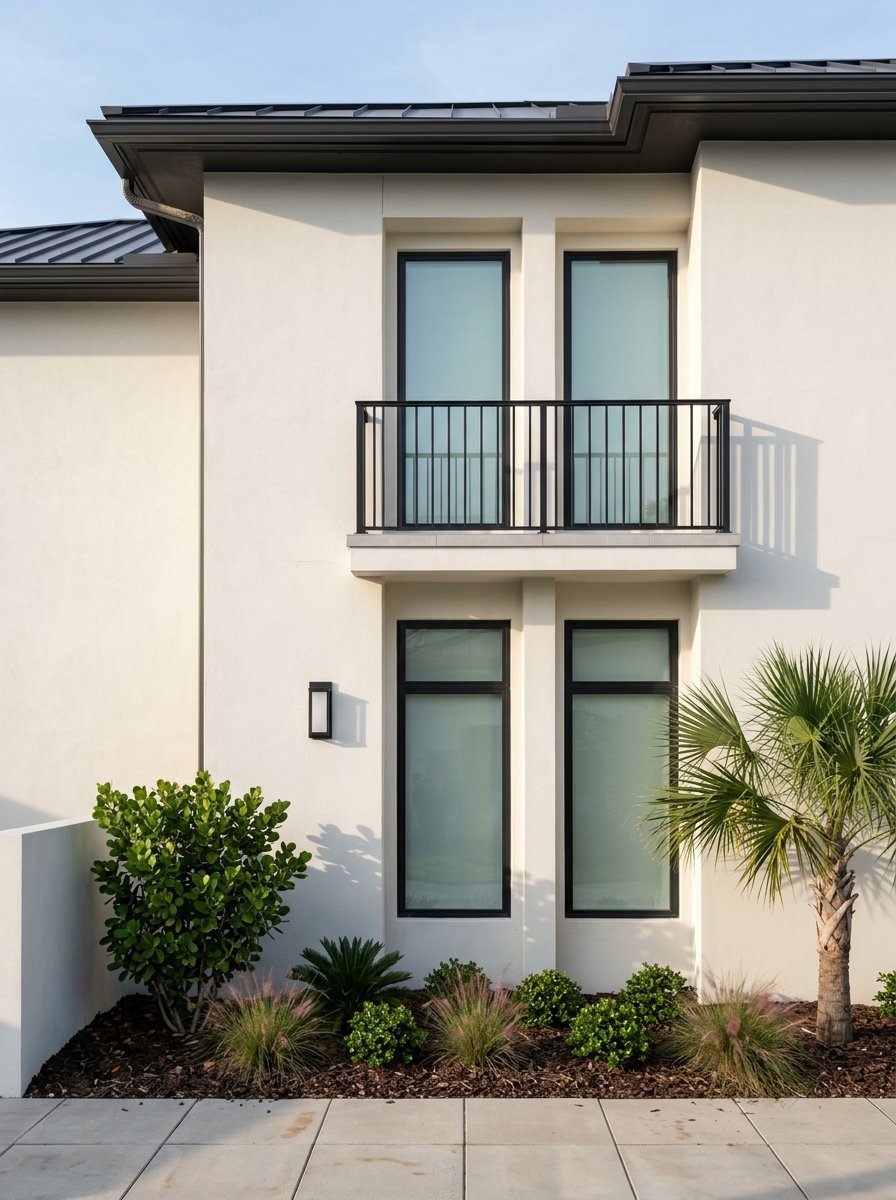
Living near the ocean in Jacksonville Beach can feel like a dream, but coastal living asks more from your home than many owners expect. Salt air, summer rain, wind, and storm season can wear down exterior materials faster than they do inland. If you want to protect your property, avoid surprise repairs, and keep your home looking its best, a smart maintenance routine matters. Let’s dive in.
Why Jacksonville Beach Homes Need Extra Care
Jacksonville Beach has a warm, wet coastal climate with an annual mean temperature of 71.4°F and about 52.44 inches of rain each year. The wettest months are typically August and September, which means your home often faces heat, humidity, and heavy rain at the same time.
That climate alone can speed up wear, but the beach environment adds another layer. Salt spray and moisture can accelerate corrosion and decay, especially on exposed metal hardware, connectors, and fasteners. Near the shoreline, those effects can be stronger and may extend inland for the first 300 to 3,000 feet, depending on the site.
Focus on Small Repairs Early
For many Jacksonville Beach homeowners, the best defense is not waiting for a major problem. Coastal maintenance is often about catching small issues early, before they turn into expensive damage.
A simple crack in caulk, a rusted fastener, or a loose railing might not seem urgent at first. Over time, though, moisture can get in, corrosion can spread, and wood trim can soften or stain. Repainting, resealing joints, and replacing worn exterior hardware on a regular basis can help your home stay stronger and look better.
Start With the Exterior
Check metal for corrosion
Salt-laden air can be hard on exterior metal. Walk around your home and inspect railings, exterior fixtures, fasteners, and exposed hardware for rust or surface breakdown.
If you spot corrosion, address it quickly. FEMA notes that exposed metal fasteners in coastal areas can corrode within a few years, and stainless steel is often recommended where rapid corrosion is expected, including within 3,000 feet of the coast.
Watch trim, paint, and sealants
Paint and sealants do more than improve curb appeal. They act as a protective layer against moisture, UV exposure, and salt air.
Look for peeling paint, cracked sealant, stained trim, or soft spots around joints and edges. These are often early signs that water may be getting where it should not.
Inspect soffits carefully
If your home is within 3,000 feet of salt spray, soffits deserve extra attention. FEMA specifically flags aluminum soffit panels as vulnerable in salt-laden air and recommends upgrading to a better soffit system in those conditions.
If you notice corrosion, staining, loose panels, or recurring repairs, it may be time to evaluate whether your current soffit material is still the right fit for your location.
Protect Roofs, Windows, and Doors
Inspect roof flashing
Roof flashing plays a major role in keeping water out. Cracks, gaps, or debris around flashing can lead to leaks, corrosion, dry rot, and mold growth.
In a high-wind coastal area like Jacksonville Beach, routine flashing inspections are worth putting on your seasonal checklist. If repairs are needed, flashing should meet or exceed local code requirements for high-wind conditions.
Keep gutters clear
Gutters help move water away from the house, especially during Jacksonville Beach’s rainy season. If they clog, water can back up and increase the chance of leaks and moisture problems.
Regular cleaning is a simple but important part of coastal home care. After major rain events or storms, check that gutters and downspouts are still draining properly.
Seal window and door openings
Small air and water leaks around windows and doors can create bigger moisture issues over time. Caulk is used for stationary joints, such as around frames, while weatherstripping is used for moving parts like operable windows and doors.
In Jacksonville Beach, this matters for both comfort and moisture control. If seals are worn, humid air can work its way inside and contribute to damp conditions.
Think storm-ready openings
Duval County wind-speed maps place Jacksonville in a 120 mph wind area, and structures east of that line are considered in the wind-borne debris region. For homeowners in Jacksonville Beach, that makes protected glazed openings an important part of storm readiness.
In practical terms, you should think in terms of impact-rated windows or approved coverings and shutters. Before hurricane season, confirm that your home’s opening protection is in place and functioning as intended.
Control Moisture Inside the Home
Indoor moisture is one of the biggest long-term issues in a beach house. With Jacksonville Beach’s heat, humidity, and frequent rain, homes can stay damp after storms or even after long stretches of humid weather.
Moisture control is also mold control. Guidance from public health agencies recommends keeping indoor relative humidity at or below 50% if possible, and using dehumidification when outdoor air is warm and humid.
What to check indoors
A few routine checks can help you catch moisture issues early:
- Look for musty odors after storms or heavy rain
- Check ceilings and walls for staining
- Inspect around windows and doors for dampness
- Watch for condensation or persistent humidity
- Dry wet or damp materials within 24 to 48 hours after a leak or spill
If you notice a leak, quick action matters. Waiting can allow mold and material damage to spread.
Choose Coastal-Smart Materials
Material choices matter more near the beach. In coastal settings, hidden connectors and fasteners may degrade faster than you expect, even when the exterior still looks fine.
If your home is undergoing repairs or replacement work, it helps to ask whether the materials are suited for a salt-exposed location. FEMA notes that stainless steel is recommended where rapid corrosion is expected, and certain compatible metals are appropriate when pressure-treated wood is part of the assembly, including hot-dip zinc-coated galvanized steel, stainless steel, silicon bronze, or copper.
This is not just about durability. It is also about reducing the cycle of repeat repairs that can affect both appearance and long-term value.
Use Landscaping to Help the House
Landscaping can either trap moisture against the home or help the structure breathe. In coastal areas, UF/IFAS recommends salt-tolerant plants and wind screens, which can be practical choices for Jacksonville Beach properties.
It also helps to keep foundation plantings far enough from the house to allow airflow. That spacing can reduce algae and mildew around the structure and make exterior inspections easier.
Follow a Seasonal Maintenance Plan
Spring maintenance
Late spring is one of the best times for preventive work before hurricane season begins. Inspect exterior caulk, flashing, soffits, gutters, railings, and window seals.
If you see corrosion, UV wear, or failing sealants, handle those repairs early. This is also a smart time to repaint or reseal exposed areas.
Early summer storm prep
Atlantic hurricane season runs from June 1 through November 30. At the start of summer, verify that shutters or impact glass are ready, tighten loose hardware, and test drainage paths around the property.
This is the time to make sure exterior openings are storm-ready, not when a storm is already on the way.
Late summer and fall inspections
August and September are typically Jacksonville Beach’s wettest months, so this part of the year calls for extra vigilance. After heavy rain or storm activity, walk the property and look for water intrusion, rust, flashing damage, and sealant failure.
Even minor issues are worth noting. In a coastal climate, small water entry points rarely improve on their own.
Winter repair season
Winter can be a practical time for painting, carpentry, and replacement work. Cooler temperatures and relatively less rainy conditions can make drying and scheduling easier for many maintenance projects.
If you have been putting off exterior work, winter is often a good time to catch up before the next humid season arrives.
Know Your Flood Exposure Before Major Work
If your property is in or near a coastal flood zone, check the FEMA map designation before planning major repairs or replacements. VE, AE, and AO zones each point to different types of flood exposure, and VE is considered the highest-risk coastal zone because of wave action and fast-moving water.
This step is especially important if you are buying, renovating, or maintaining a home close to the shoreline. Understanding the flood designation can help you ask better questions and plan work more carefully.
Coastal Maintenance Supports Long-Term Value
A well-kept Jacksonville Beach home tends to show better, perform better, and age more gracefully in a demanding environment. Whether you plan to stay for years or eventually sell, consistent maintenance helps protect both your daily comfort and your property’s presentation.
If you are buying or selling a coastal home, details matter. From understanding how a home has held up in salt air to knowing which maintenance items buyers often notice, local insight can make a real difference. For thoughtful guidance on Jacksonville Beach real estate, connect with Holly Reaves.
FAQs
What maintenance matters most for a Jacksonville Beach home?
- The most important tasks usually include checking for corrosion, inspecting roof flashing, sealing windows and doors, cleaning gutters, controlling indoor humidity, and fixing small exterior issues before they grow.
How often should you inspect a coastal home in Jacksonville Beach?
- A seasonal approach works well, with preventive checks in spring, storm-readiness in early summer, post-storm inspections in late summer and fall, and larger repair projects in winter.
Why do homes near the beach corrode faster?
- Salt spray and moisture can accelerate corrosion and decay, especially on exposed metal hardware, connectors, fasteners, railings, and fixtures.
What should Jacksonville Beach homeowners know about hurricane season?
- Hurricane season runs from June 1 to November 30, so it is wise to prepare early by checking shutters or impact glass, tightening loose hardware, and confirming drainage and exterior openings are storm-ready.
Does indoor humidity really matter in a beach house?
- Yes. In Jacksonville Beach’s warm, humid climate, indoor moisture can linger after storms or rainy periods, so keeping relative humidity at or below 50% if possible can help reduce the risk of mold and damp conditions.
Why should flood zones matter when maintaining a coastal home in Jacksonville Beach?
- If your property is in or near a FEMA coastal flood zone such as VE, AE, or AO, the flood exposure may affect how you plan major repairs or replacements and what local requirements apply.
