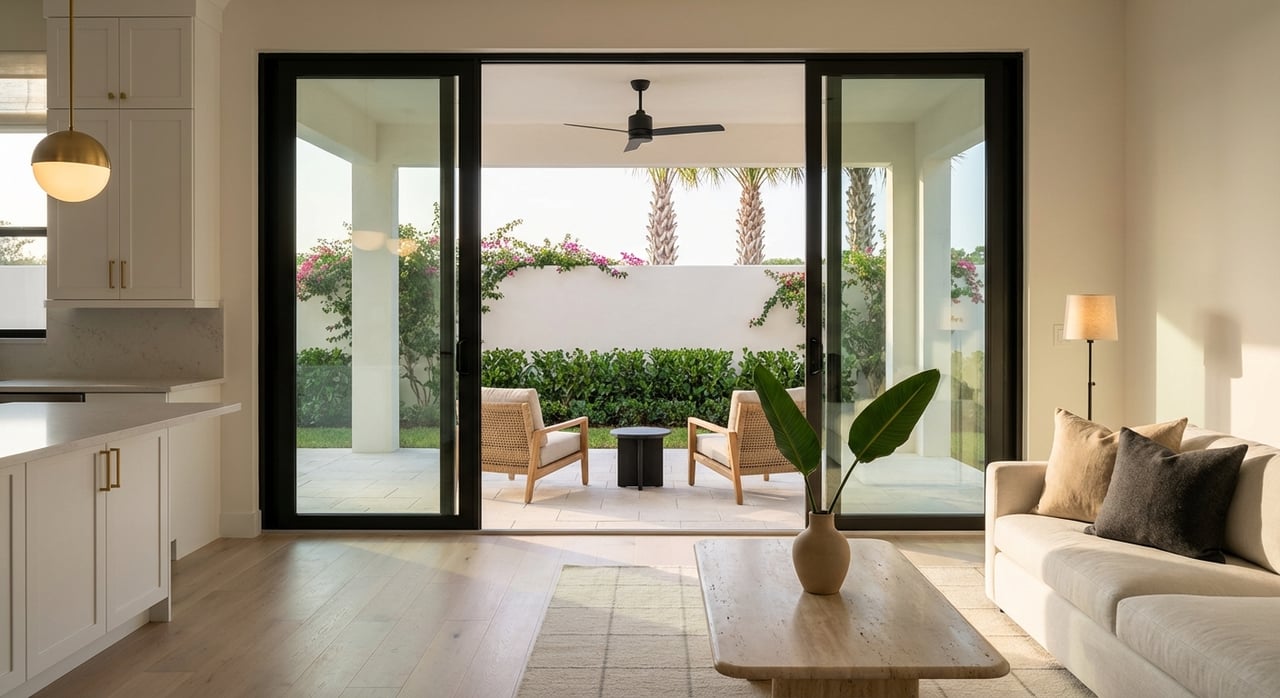
If you want top dollar in Ponte Vedra Beach, presentation is not optional. It is your edge. Buyers here respond to a polished lifestyle story that feels effortless, coastal, and high end. You might be wondering where to start or how much to invest. In this guide, you will learn a design-led staging plan tailored to Ponte Vedra Beach, why it works, and how to execute it with confidence. Let’s dive in.
Why design-led staging in Ponte Vedra
Ponte Vedra Beach is an upscale coastal community known for resorts, golf at TPC Sawgrass, and ocean access. That lifestyle drives what buyers expect to see when they tour and when they scroll. You are not just selling rooms. You are selling morning light, sea breezes, poolside evenings, and easy entertaining. Local overviews reinforce this resort-forward identity.
Price points and buyer profiles vary by ZIP and product type, from ocean-adjacent estates to newer inland builds. Recent snapshots show broader Ponte Vedra medians in the mid-to-high 600s, while ocean-adjacent micro-markets often rise above 1 million. Inventory and days on market also shift by submarket and season. Local updates note that timing, media, and presentation matter, especially around tournament season and winter residents. See this Ponte Vedra Beach market update for context on seasonality and movement.
What buyers expect here
Design-led staging meets high standards and signals value. According to the National Association of Realtors, staging helps buyers visualize living in the home, and 29 percent of agents reported offers that were 1 to 10 percent higher on staged properties. Many sellers’ agents also reported shorter time on market. You can read the summary in NAR’s staging report.
Buyers begin online. Your photos and video must feel coastal, refined, and current. Big picture, lean into a “quiet luxury” take on coastal style. 2025 coverage points to layered texture, sand and cream neutrals, and controlled ocean blues rather than theme-y beach motifs. See these coastal design trend cues for inspiration.
Room-by-room design playbook
Use high-quality items, scale correctly to the room, and make circulation obvious. Start neutral, then add curated coastal accents. Keep personalization low so buyers can project their life into the space.
Entry and curb appeal
- Refresh paint or trim as needed. Clean the driveway and tidy hedges.
- Install simple potted plants and clear, modern house numbers. Confirm any HOA rules before placing exterior decor or signage. Many associations set standards, so check covenants before you stage outside. Review typical HOA controls in this example of rules and regulations.
- Light the path and entry to feel welcoming after dusk. The first 10 seconds set the tone.
Living or great room
- This room is high impact. Focus on a right-sized sofa, two accent chairs, and a clean coffee table.
- Remove heavy patterns. Use one signature art piece and layered lighting. Keep cords hidden.
- If you have water, marsh, or pool views, arrange seating to frame that sightline. Let the view be the hero.
Kitchen and dining
- Clear counters. Style the island lightly with a bowl, a cookbook, or seasonal flowers.
- Let stone and appliances stand out. Avoid clutter that competes with finishes.
- In dining, set a simple runner and a small centerpiece. Keep chair count realistic for the room size.
Primary suite and baths
- Dress the bed with layered neutral linens and two or three pillows per sleeper. Use matching bedside lamps.
- Edit accessories. Stage closets to showcase storage and order.
- In baths, think spa. Fresh grout and caulk, matching white or sand towels, a small tray, and a plant. Good lighting matters.
Office and flex spaces
- A clean desk, ergonomic chair, and task lighting signal utility and ease.
- Keep cables out of sight. Use a muted palette so screens and gear do not dominate.
- Label flex rooms by function during photos and showings to reduce guesswork.
Outdoor living that sells lifestyle
Outdoor spaces are often the clincher in Ponte Vedra. Stage them as true living rooms.
- Use durable seating with performance fabrics, like solution-dyed acrylics similar to Sunbrella, which hold up to UV and moisture. Learn why performance textiles matter in this quick fabric overview.
- Choose powder-coated aluminum or Polywood-style frames for longevity.
- Add an outdoor rug, lanterns or string lights, and low planters to define zones.
- In seaside locations, pick heavier furniture or discreet anchors to handle wind. Store light decor before storms.
- For media, capture sunrise or twilight to show the glow of pool and landscape lighting.
Materials that stand up to salt air
Salt air is tough on hardware and finishes. Selecting the right materials shows buyers you considered long-term care.
- Favor 316 marine stainless for outdoor fixtures and visible hardware. It resists pitting better than common 304 in coastal environments. See corrosion guidance on 316 stainless outdoors.
- Choose powder-coated aluminum and poly lumber for furniture frames.
- Use solution-dyed acrylics for cushions to resist UV and mildew.
Guard against humidity issues
Florida’s humidity can cause mildew, especially in vacant or second homes. Protect your presentation.
- Keep indoor relative humidity under 50 percent and dry water-affected areas within 24 to 48 hours to prevent mold. Review the EPA’s guidance for best practices.
- When vacant, keep conservative HVAC settings or add dehumidification. Use quick-dry rugs and avoid heavy textiles that trap moisture.
- After storms, schedule a check for leaks and musty odors before showings.
Media that maximizes attention
Your first five listing photos carry a lot of weight. Plan them.
- Book professional stills, drone, and a 3D or cinematic walkthrough when possible. Out-of-market buyers rely on media to shortlist homes.
- Time photos right after staging install. If fresh flowers and linens need a day to settle, build that buffer into your schedule.
- Virtual staging can help when a property is vacant or on a deadline. Be transparent when images are virtually staged, and know that physical staging often reads as higher value in luxury tiers. NAR underscores staging’s role in price and speed in its staging report.
Costs, ROI, and when to stage
Use a simple, numbers-first mindset. National survey data shows staging can influence both buyer perception and outcomes. In NAR’s findings, 29 percent of agents saw a 1 to 10 percent price bump for staged listings, and many reported faster sales. Treat these as credible benchmarks, not promises.
- Typical professional staging packages often land in the low-to-mid thousands. For upper-tier homes, that spend is a small fraction of list price.
- A 1 percent uplift on a 1,000,000 dollar home is 10,000 dollars. That can cover staging and then some.
- Staging has the highest ROI when your home competes with renovated models, has premium features that need spotlighting, or sits in a discretionary, upper-tier segment where emotion drives decisions.
Timeline to list with confidence
Use this simple runway to keep control of the process.
- Three weeks out: Confirm pricing strategy with comps and define your target buyer. Engage a stager who understands coastal luxury and reserve inventory. If you live in an HOA, review covenants for signage and exterior decor.
- One to two weeks out: Complete touch-ups, deep clean, and landscape tidy. Set an HVAC plan for humidity control if the home will be vacant. Stage over two to three days and remove personal photos and excess items.
- Photo week: Shoot interiors with HDR, capture drone for lot and proximity to beach or marsh, and book twilight exteriors for pools and lighting. Add a 3D tour or short video if budget allows.
- Live week: Keep staging crisp for showings and open houses. Remove delicate items, secure valuables, and monitor buyer feedback. Refresh photos or tweak vignettes if interest softens.
Why partner with a design-led advisor
A polished plan delivers a polished result. With in-house staging and interior design expertise, professional photography and video, and premium-brokerage distribution, you get a unified presentation that turns interest into offers. The service is white glove, the look is coastal and current, and the message to buyers is clear. Your home is move-in ready and worth a premium.
Ready to list in Ponte Vedra Beach with a design-led plan that works room by room? Connect with Holly Reaves to start your tailored staging and media strategy.
FAQs
What is design-led staging for Ponte Vedra Beach homes?
- It is a curated approach that uses high-quality furnishings, quiet coastal palettes, and lifestyle vignettes that highlight sun, views, and outdoor living, tailored to local buyer expectations.
Does staging really raise sale price in St. Johns County?
- Nationally, NAR reports that 29 percent of agents saw a 1 to 10 percent price increase on staged homes, and many saw faster sales, which supports using staging here too; see the NAR staging report.
How should I stage outdoor spaces near the ocean?
- Treat them as living rooms with durable seating, performance fabrics, an outdoor rug, and layered lighting, and anchor or store light items to handle wind while showcasing views and beach access.
Which materials resist salt air for outdoor staging?
- Favor 316 marine stainless for hardware, powder-coated aluminum or poly lumber for frames, and solution-dyed acrylic cushions; learn why 316 stainless resists corrosion here.
How do I prevent humidity issues when the home is vacant?
- Keep indoor humidity under 50 percent, maintain conservative HVAC settings or use dehumidifiers, choose quick-dry textiles, and follow the EPA’s 24–48 hour drying guidance after any water exposure.
When should listing photography happen after staging?
- Schedule photos immediately after install, often within 48 to 72 hours, and allow a short buffer for flowers and linens to settle so every frame reads crisp and inviting.
