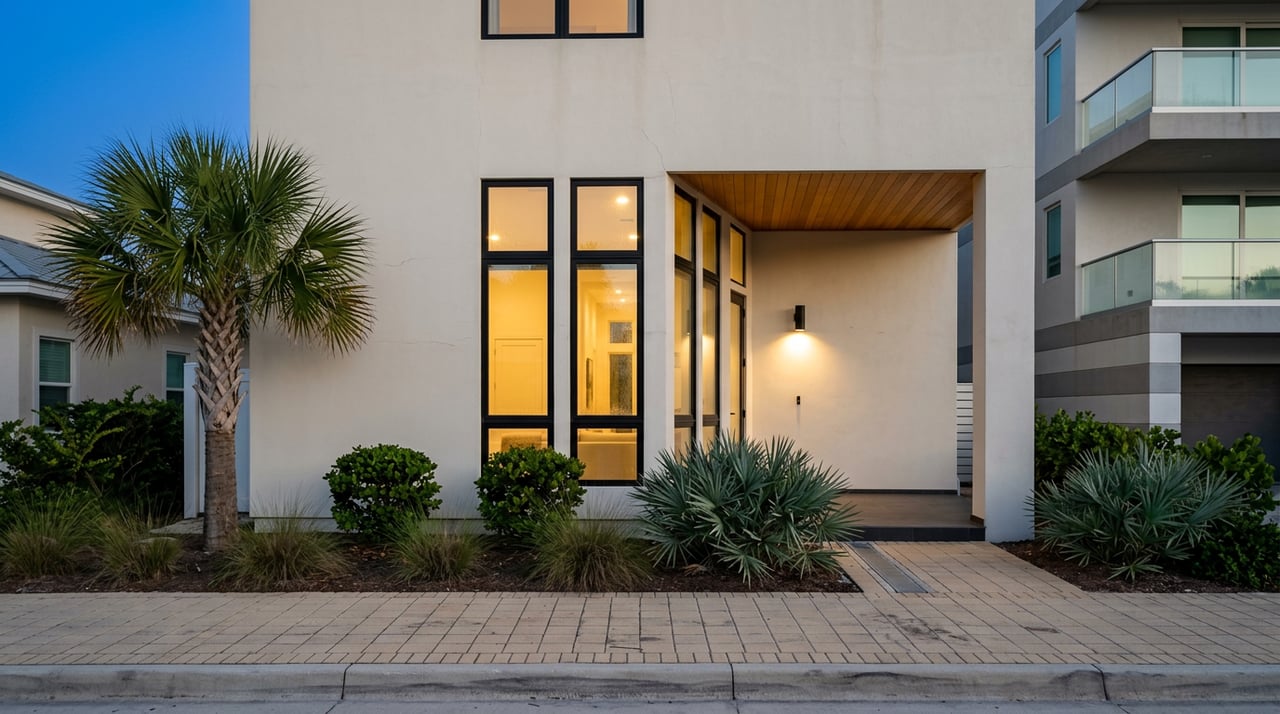
Is Jacksonville Beach calling your name, but you are stuck between a low‑maintenance condo and a standalone home with room to roam? You are not alone. Both paths can fit a beach lifestyle, yet the true costs, rules, and risks work very differently at the coast. In this guide, you will learn how monthly expenses, insurance, financing, and rental rules compare in Jacksonville Beach so you can choose with confidence. Let’s dive in.
Jacksonville Beach market context
Jacksonville Beach is a higher‑price coastal pocket within Duval County, with typical sale prices ranging from the high $500Ks to the mid $700Ks based on recent third‑party snapshots through late 2025 and early 2026. Exact medians change month to month, and single‑family homes often list higher than many condos, though the ranges overlap in walkable areas near the ocean. When you are ready to buy or sell, pull current MLS data at that moment and compare by property type and micro‑location.
Expect wide variety by block and building. Mid‑rise condos and townhomes can offer ocean proximity at prices below many detached homes near the pier, while luxury oceanfront towers and newer construction homes command premiums.
Condos vs homes: lifestyle fit
- Condos: You get a lock‑and‑leave setup where the association handles exterior care, landscaping, and shared systems. Amenities like a pool or gym are often included. Rules can be strict on pets, rentals, and alterations, so read them early.
- Single‑family homes: You get privacy, control, and outdoor space. You set the rules on paint, landscaping, and parking, but you take on all upkeep and scheduling.
If you plan to travel often or want a weekend beach base, a condo’s convenience can shine. If you want to customize, garden, or avoid building‑level rules, a house may fit better.
Monthly costs and taxes
- HOA dues for condos: Dues vary widely based on age, size, and amenities. In Jacksonville Beach, you may see a few hundred dollars per month in smaller buildings and several thousand per month in luxury oceanfront towers. Dues typically fund exterior upkeep, common‑area utilities, management, master insurance, and reserves. Always ask for the current budget, reserves, and any planned increases.
- Owner‑paid items for homes: You will cover exterior maintenance, roof, landscaping, and your full property insurance. No condo HOA dues, but expect variable repair and upkeep costs over time.
- Property taxes: Jacksonville Beach’s 2025 combined taxing rate for the Beaches district is about 18.4452 mills. A quick estimate uses assessed value ÷ 1,000 × 18.4452. Rates can change yearly, so verify the current millage on the City of Jacksonville’s millage page before you buy. You can review the official chart on the city site for the Beaches district at the Property Appraiser’s page: 2025 final millage chart.
Maintenance, reserves, and special assessments
Condo ownership shifts many big‑ticket items to the association level, which can reduce your day‑to‑day chores but concentrate long‑term capital risk.
- Florida milestone inspections: For condominium and cooperative buildings that are 3 or more stories, state law requires a milestone structural inspection at 30 years of age, then every 10 years. Coastal jurisdictions can require it as early as 25 years. Phase 1 is a visual review by a licensed architect or engineer. If substantial deterioration is found, a Phase 2 follows and can lead to major repairs and assessments. Review the statute at Florida Statute 553.899, and ask whether the building completed its inspection and repairs.
- Structural Integrity Reserve Study (SIRS): Chapter 718 requires SIRS and affects how reserves are funded for 3‑plus story buildings. If a SIRS shows near‑term needs, expect higher dues or special assessments. Read more in Chapter 718.112 and ask for the most recent study.
- Association insurance and deductibles: Associations must carry adequate property insurance, and boards can set deductibles consistent with industry norms. Deductibles can be charged as common expenses or assessed to owners after a covered event. Review the master policy and recent meeting minutes for premium or deductible changes. See the statute on association insurance at Chapter 718.111.
If you are buying a house, you avoid association‑level special assessments, but you assume responsibility for your roof, windows, siding, and systems. At the beach, corrosion, wind, and salt can accelerate wear, so budget accordingly.
Insurance basics at the beach
Insurance can be a bigger line item near the coast, and it works differently for condos versus homes.
- Condos: The association’s master policy typically covers the building shell and common elements up to stated limits. As a unit owner, you carry an HO‑6 policy for interior finishes, personal property, liability, and loss‑assessment coverage. Confirm the building’s master policy limits and deductible, then tailor your HO‑6 accordingly. The roles are outlined in Chapter 718.111. If you are new to HO‑6 coverage, this overview of unit‑owner insurance can help you frame questions for your carrier: What is HO‑6 insurance.
- Single‑family homes: You will carry a homeowner policy (often HO‑3 or HO‑5) for the structure and contents. Flood insurance is a separate policy.
- Flood insurance: If a property lies in a FEMA Special Flood Hazard Area, lenders for federally regulated loans require flood insurance for the life of the loan. Under FEMA’s Risk Rating 2.0, premiums are property‑specific and coastal homes and condos can be higher than inland properties. Some industry snapshots have shown average NFIP indicators in the low hundreds for Jacksonville Beach, but quotes can vary widely. Always get quotes for the exact address and request an elevation certificate if applicable. Learn more about Risk Rating 2.0 and lender requirements from FEMA’s guidance: Flood insurance and Risk Rating 2.0.
Financing and resale
- Condo financing: Lenders evaluate both you and the building. Fannie Mae and Freddie Mac use project‑level reviews and automated tools. Projects with deferred maintenance, low reserves, high delinquencies, litigation, or excessive commercial space can be flagged as ineligible for conventional loans. That can limit buyer demand and affect resale timelines. If you plan to use a conventional, FHA, or VA loan, verify project eligibility early. You can review Fannie’s project requirements here: Condo project requirements.
- Single‑family financing: Typically fewer project‑level constraints, though flood maps, wind coverage, and insurance costs can still impact underwriting and your monthly payment.
Short‑term rentals in Jacksonville Beach
If you plan to rent nightly or weekly, confirm both city rules and any association restrictions before you buy. Jacksonville Beach requires Short‑Term Vacation Rental registration, a local business tax receipt, a fire and life‑safety inspection, and annual renewal. Start with the city’s program page: Jacksonville Beach Short‑Term Vacation Rentals. Many condo associations either prohibit short‑term stays or set minimum lease terms, so get the building’s rental policy in writing.
How to choose: two quick scenarios
- You want a turnkey weekend place: If convenience is your top priority, a condo with strong reserves, clear insurance coverage, and manageable HOA dues can deliver low‑maintenance beach living. Verify the milestone inspection and SIRS status, confirm project eligibility with your lender, and make sure the rental rules match your plans.
- You want control and a yard: If you prize privacy, customization, and predictable control over big‑ticket items, a single‑family home may fit better. Budget for maintenance, wind and flood coverage, and potential upgrades for storm resilience.
Buyer checklist for Jacksonville Beach
Use this checklist before you make an offer. It will help you compare apples to apples and avoid surprises.
- Clarify your use case
- Primary, seasonal, or lock‑and‑leave. Your plan drives tradeoffs on privacy, amenities, rental rules, and financing.
- Gather association documents for condos (and PUD/HOA homes)
- Ask for the current budget, most recent financials, reserve study or SIRS, insurance declarations, the last 12–24 months of meeting minutes, claims history, and rental policy. Florida condo law sets disclosure and reserve planning requirements. Review Chapter 718.112 for reserve and governance context.
- Confirm building safety status
- For 3‑plus story buildings, ask if the milestone inspection is complete and whether any Phase 2 repairs were required. Review Florida Statute 553.899 and request inspection reports and repair contracts.
- Check flood risk and elevation
- Search the address on FEMA’s map resources and ask for an elevation certificate if in or near a Special Flood Hazard Area. Get both NFIP and private flood quotes. See FEMA guidance: Flood insurance and Risk Rating 2.0.
- Verify condo project eligibility with your lender
- Confirm status for conventional, FHA, and VA loans early. If a building is “not eligible,” financing and resale demand can be limited. Review Fannie’s standards: Condo project requirements.
- Shop insurance early
- For condos, get an HO‑6 quote with loss‑assessment coverage. For homes, get HO‑3 or HO‑5 quotes. Always get a separate flood quote. A helpful primer on HO‑6 is here: What is HO‑6 insurance. Compare against the association’s master policy if buying a condo.
- Confirm short‑term rental permissions
- Align your plan with association rules and the city’s registration and inspection steps. Start with the city page: Short‑Term Vacation Rentals.
- Request three years of operating numbers if buying a rental
- Review occupancy, nightly rates, gross income, major maintenance or assessments, and any litigation or code issues.
- For single‑family near the dunes
- Factor in FEMA mapping, sea‑level and storm impacts, and any coastal construction or dune restrictions that could affect future permitting and rebuild costs.
The bottom line
Both condos and single‑family homes in Jacksonville Beach can deliver the coastal lifestyle you want. The better choice hinges on how you plan to use the property, how you want to spend your time, and how much exposure you are comfortable carrying for structural costs, insurance, and rules. If you walk the steps above, review the right documents, and price real risks into your budget, you will make a confident choice.
Ready for a local, design‑savvy partner who knows the Atlantic Beaches block by block? Work with Holly Reaves to compare properties, read between the lines in association and insurance documents, and move forward with clarity.
FAQs
What are typical condo HOA dues in Jacksonville Beach?
- Dues vary widely by building and amenities. You may see a few hundred dollars per month in smaller buildings and several thousand per month in luxury oceanfront towers. Always request the current budget, reserves, and any planned increases before you buy.
How do milestone inspections in Florida affect condo buyers?
- For 3‑plus story buildings, a state‑mandated milestone inspection at 30 years, then every 10 years, can uncover structural repairs that lead to special assessments. Ask for the inspection report and status. See Florida Statute 553.899.
Do I need flood insurance in Jacksonville Beach?
- If a lender is involved and the home or unit is in a FEMA Special Flood Hazard Area, flood insurance is required. Premiums are property‑specific under Risk Rating 2.0, so get address‑level quotes and an elevation certificate if available. See FEMA’s overview: Flood insurance and Risk Rating 2.0.
Are condos harder to finance than homes?
- Sometimes. Lenders review the project’s reserves, maintenance, litigation, and other factors. If a building is not eligible under Fannie Mae or similar standards, conventional financing can be limited and resale demand affected. See Condo project requirements.
How are property taxes calculated in Jacksonville Beach?
- For the Beaches district, use assessed value ÷ 1,000 × the current millage rate. The 2025 total is about 18.4452 mills. Always verify the current year’s chart on the city site: Property Appraiser millage rates.
Can I run a short‑term rental in Jacksonville Beach?
- Yes, but you must follow city rules that include registration, a business tax receipt, a fire and life‑safety inspection, and annual renewal. Also confirm any condo or HOA rental limits. Start here: Short‑Term Vacation Rentals.
