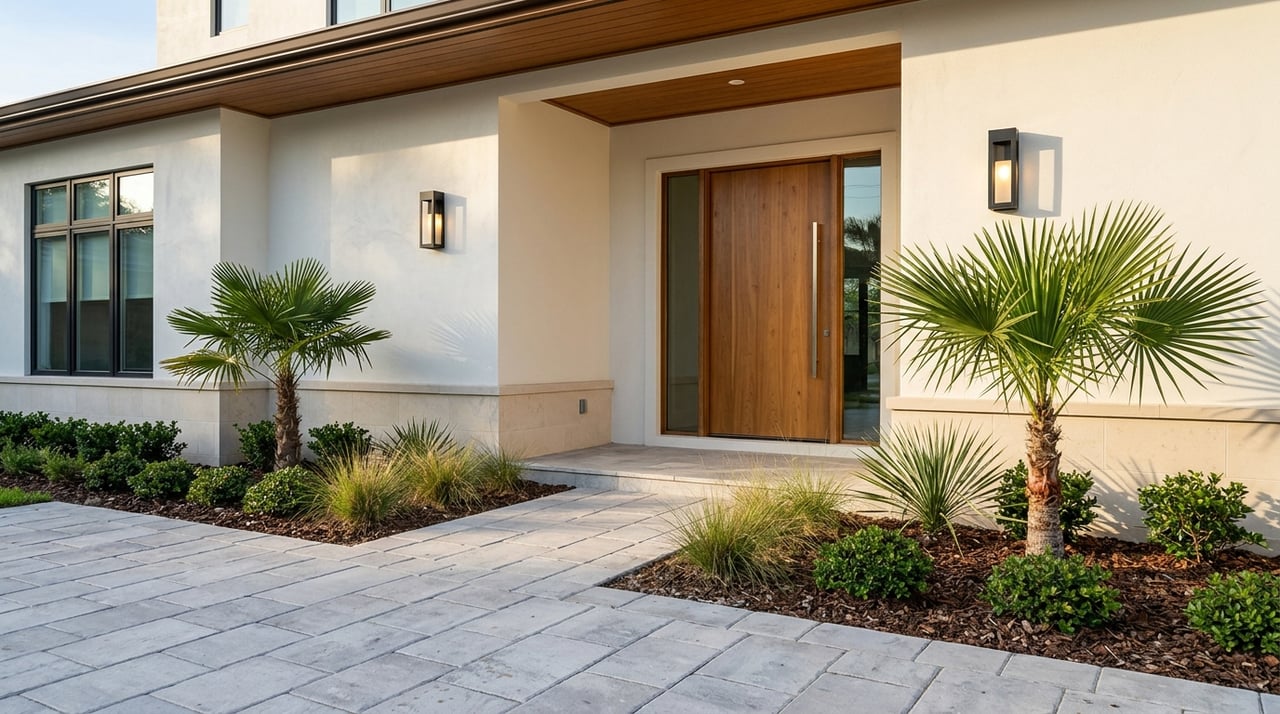
Are you thinking about buying a brand-new home in Ponte Vedra Beach? It can be exciting to picture clean finishes, modern layouts, and the chance to be the first person to live there, but new construction comes with a different set of choices than buying a resale home. If you want to feel more confident about timelines, contracts, inspections, lot selection, and community rules, this guide will help you know what to watch for before you sign. Let’s dive in.
Why new construction looks different here
In the Ponte Vedra Beach area, much of the publicly advertised new-construction inventory is centered in Nocatee. Current community information shows options that range from townhomes in Woodland Park in the high $300s to homes in Coral Ridge at Seabrook around $1.3 million, with other neighborhoods such as Seabrook Village, Crosswinds, Reflections at Seabrook, and River Landing offering additional choices at different price points.
That variety matters if you are relocating, moving up, or trying to balance lifestyle with budget. You may find a townhome, a single-family home, or a preserve homesite depending on the neighborhood and builder. In practical terms, buying new construction here often means comparing not just one home, but several community styles and delivery timelines.
Quick move-in vs. build-to-order
One of the first decisions you may face is whether you want a quick move-in home or a home that is built more specifically around your selections. Nocatee currently promotes both model homes and quick move-in opportunities in neighborhoods including Seabrook Village, Crosswinds, Reflections at Seabrook, West End at Town Center, Woodland Park, and River Landing.
A quick move-in home can be appealing if you want a shorter path to closing or if you are coordinating a relocation. A build-to-order path may give you more say in finishes or structural selections, but it can also mean more waiting, more decisions, and more moving parts. The right fit depends on your timeline, your tolerance for decision-making, and how much customization matters to you.
Understand the timeline before you fall in love
New construction does not move on the same clock as resale. A local Nocatee guide says a typical new-build timeline can range from about four months to a year. Permits, foundation work, finishing stages, weather, labor, and material availability can all affect that schedule.
That range is important to plan around, especially if you are selling another home, ending a lease, or moving from out of state. If your timing is tight, quick move-in inventory may deserve a closer look. If you are building from the ground up, it helps to go in with flexibility rather than expecting every milestone to happen on a fixed date.
The contract is usually more detailed
A new-construction contract is often more involved than a standard contract for an existing home. Local Nocatee guidance advises buyers to read the fine print carefully and consider attorney review before signing. That extra review can be especially helpful when you are looking at builder timelines, allowances, upgrade terms, and community requirements.
You should also expect discussions about financing early in the process. The same local guidance notes that many builders work with preferred lenders and may request pre-approval. Even if you are comparing lending options, it is wise to understand what the builder requires and what incentives or conditions may be tied to the financing path.
Design choices can change budget and timing
One of the biggest differences between resale and new construction is the design-center process. Builder guidance describes onsite sales consultants helping buyers with structural and design selections through a design studio. That can be exciting, but it can also make the final price look very different from the starting price you first saw advertised.
Model homes are a good example. Local new-construction guidance warns that models often include upgrades beyond the base price. Structural changes like moving doors or adding features such as fireplaces can also trigger re-permitting, which may add both time and cost.
County permits matter more than many buyers realize
In St. Johns County, permits are required for most improvements before work begins. The county’s online portal allows users to check permit status, inspection history, holds, releases, certificate of occupancy status, and plan-review logs. That gives you a practical way to track progress and better understand where a home stands in the build process.
County inspections serve an important purpose, but they are not the same as hiring your own inspector. St. Johns County states that permits and inspections are part of its role in protecting life, health, and property. For you as a buyer, that means county oversight is part of the process, but it should not be your only layer of review.
New homes still need private inspections
A common mistake is assuming a new home does not need an independent inspection. Florida’s Department of Business and Professional Regulation says home inspection is its own licensed profession, and only individuals are licensed as home inspectors. In other words, code checks and builder processes do not replace a private inspection performed by a qualified professional.
Florida Realtors recommends phase inspections for new construction at the foundation stage, pre-drywall, and final punch-out. It also notes that buyers often spend about $150 to $200 per phase inspection. A later inspection around the 10- to 11-month mark can also help identify warranty items before the builder’s first-year coverage period ends.
UF/IFAS similarly advises buyers to research the builder, verify licenses and insurance, and make sure the contract includes a satisfactory building inspection contingency. That advice is especially useful in a market where many buyers are focused on finishes and floorplans, but may overlook the value of independent review.
Builder warranties are helpful, but limited
Florida law provides a mandatory builder warranty that covers certain construction defects for one year after conveyance or occupancy. That protection can be valuable, but it does not apply to everything. It does not cover normal wear and tear, normal settling, buyer-caused modifications, or damage caused by natural disasters.
If a dispute rises to the level of a legal claim, Florida’s construction-defect law requires written notice and a 60-day opportunity for inspection and repair before a lawsuit can be filed. The big takeaway is simple: a warranty matters, but it works best when you are organized about documenting concerns and timing inspections carefully.
In Ponte Vedra Beach, the lot matters as much as the house
In a coastal market, lot selection can be just as important as the floorplan. River Landing at Twenty Mile offers a helpful example of why. According to its published community information, preserve homesites range from about one-half acre to one acre, many preserve and waterfront lots are left natural, natural elevations run roughly 7 to 9 feet above sea level, and finished-floor elevations are set around 10 to 13 feet.
That kind of information affects how a property may look, feel, and function long after closing. A larger homesite, a preserve backdrop, or a waterfront setting may change privacy, outdoor planning, and maintenance expectations. Some waterfront homesites may also include private dock permits, which is another reason lot-specific details deserve close review.
Floodplain checks should be part of your process
Flood risk is a local issue you do not want to gloss over. St. Johns County says its floodplain rules apply to development in Special Flood Hazard Areas, including Flood Zones A, AE, AH, AO, and VE. The county also states that any development in the floodplain requires a construction permit, and it maintains flood-zone determinations and elevation certificates.
For you, this means the due diligence is not just about whether a home is new. It is also about understanding how the site fits into local floodplain rules and what records may already exist for the property. In a coastal market like Ponte Vedra Beach, that conversation should happen early, not after you are emotionally committed.
Community rules can shape daily life later
When you buy new construction, you are also buying into a set of community rules. In River Landing, published covenants include architectural approval requirements and restrictions related to items such as fences, screen enclosures, pools, basketball courts, trampolines, overnight street parking, and some rental activity.
That does not mean one community is better than another. It means you should read the rules with your future plans in mind. If you are already thinking about adding a pool, changing the backyard, or using the property in a specific way, make sure those plans line up with the community framework before you move forward.
What smart buyers focus on first
When buying new construction in Ponte Vedra Beach, it helps to think beyond the finishes board. You are choosing a builder, a lot, a contract structure, a timeline, and a community environment all at once. The home itself matters, but so do the systems around it.
A steady process usually includes a close review of the contract, clear conversations with the builder, private inspections at key phases, and early attention to floodplain and community-rule questions. For many buyers, especially those relocating or purchasing from out of market, that kind of guidance can make the experience feel far more manageable.
If you want a polished, high-touch approach to buying new construction in Ponte Vedra Beach, Holly Reaves can help you compare communities, evaluate the details that matter, and navigate the process with confidence.
FAQs
What makes buying new construction in Ponte Vedra Beach different from buying a resale home?
- Buying new construction in Ponte Vedra Beach often means evaluating the builder, lot, timeline, contract terms, design selections, and community rules in addition to the house itself.
How long does a new construction home take in the Ponte Vedra Beach area?
- Local Nocatee guidance says a typical new-build timeline can range from about four months to a year, depending on permits, weather, labor, materials, and construction progress.
Are there quick move-in new homes near Ponte Vedra Beach?
- Yes. Public Nocatee community information highlights quick move-in homes in several neighborhoods, including Seabrook Village, Crosswinds, Reflections at Seabrook, West End at Town Center, Woodland Park, and River Landing.
Do you need a private home inspection for new construction in Florida?
- Yes. County inspections are for code compliance, while a private inspection gives you an independent review of the home’s condition during key construction phases and before closing.
What inspections should buyers consider for a new construction home in Florida?
- Florida Realtors recommends phase inspections at foundation, pre-drywall, and final punch-out, plus an additional inspection around month 10 or 11 to identify warranty items before first-year coverage ends.
What should buyers know about flood zones in St. Johns County?
- St. Johns County says floodplain rules apply in Special Flood Hazard Areas, and the county maintains flood-zone determinations and elevation certificates that can help buyers review property-specific conditions.
Why do HOA and community rules matter with new construction in Ponte Vedra Beach?
- Community rules can affect what you may build or change later, including items like fences, pools, screen enclosures, parking practices, and some rental activity, so they should be reviewed before you sign.
